Toddler Sleep Tips: Help Them Sleep Through Noise
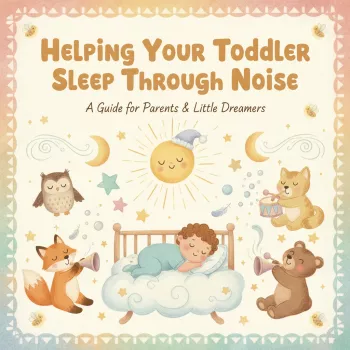
How to get a toddler to sleep through noise?
Toddlers can learn to sleep through everyday noise, but most need a consistent setup that makes sudden sounds less “noticeable” to their brains. The goal isn’t total silence—it’s creating a steady sleep environment, practicing the skill at calm times, and reducing the impact of unpredictable disruptions.
Start with steady sound, not silence
A consistent background sound (like a white noise machine or a fan) helps mask door slams, siblings talking, and traffic. Keep it at a safe volume and place it across the room from the crib/bed so it blends rather than blasts. The steadiness matters more than the specific sound.
Build a predictable pre-sleep routine
When a toddler is overtired, they startle more easily. Aim for a regular bedtime, a short wind-down routine (bath, pajamas, book, lights dim), and a calm final transition to bed. Predictability lowers baseline stress so minor noises are less likely to trigger a full wake-up.
Practice “sleeping through” during naps or quiet play
Try short “sound exposure” during low-stakes times: run the white noise while your toddler plays quietly, or keep normal household sounds during naps. This helps your child learn that common noises don’t always require a response.
Reduce sudden noise spikes where possible
Soft-close pads for doors, a rug in the hallway, and moving loud toys away from the bedroom can cut down sharp, disruptive sounds. If the noise is predictable (like a garbage truck), shift bedtime slightly earlier or later when possible.
Respond consistently to night wakings
If your toddler wakes from a loud sound, keep the response boring and brief: a quick check-in, a calm phrase, then back to bed. Bright lights, long talks, or snacks can accidentally train the wake-up to repeat.
For more detailed tips, including room setup and common mistakes to avoid, read the full guide here: How to Get a Toddler to Sleep Through Noise.
FAQ
Is it okay for toddlers to sleep with a white noise machine every night?
Yes, many toddlers sleep well with nightly white noise as long as the volume is kept low-to-moderate and the device is placed away from the bed. Consistent sound can reduce wake-ups from sudden household noise.









Leave a comment