Bottle to Cup: A Simple Toddler Weaning Checklist
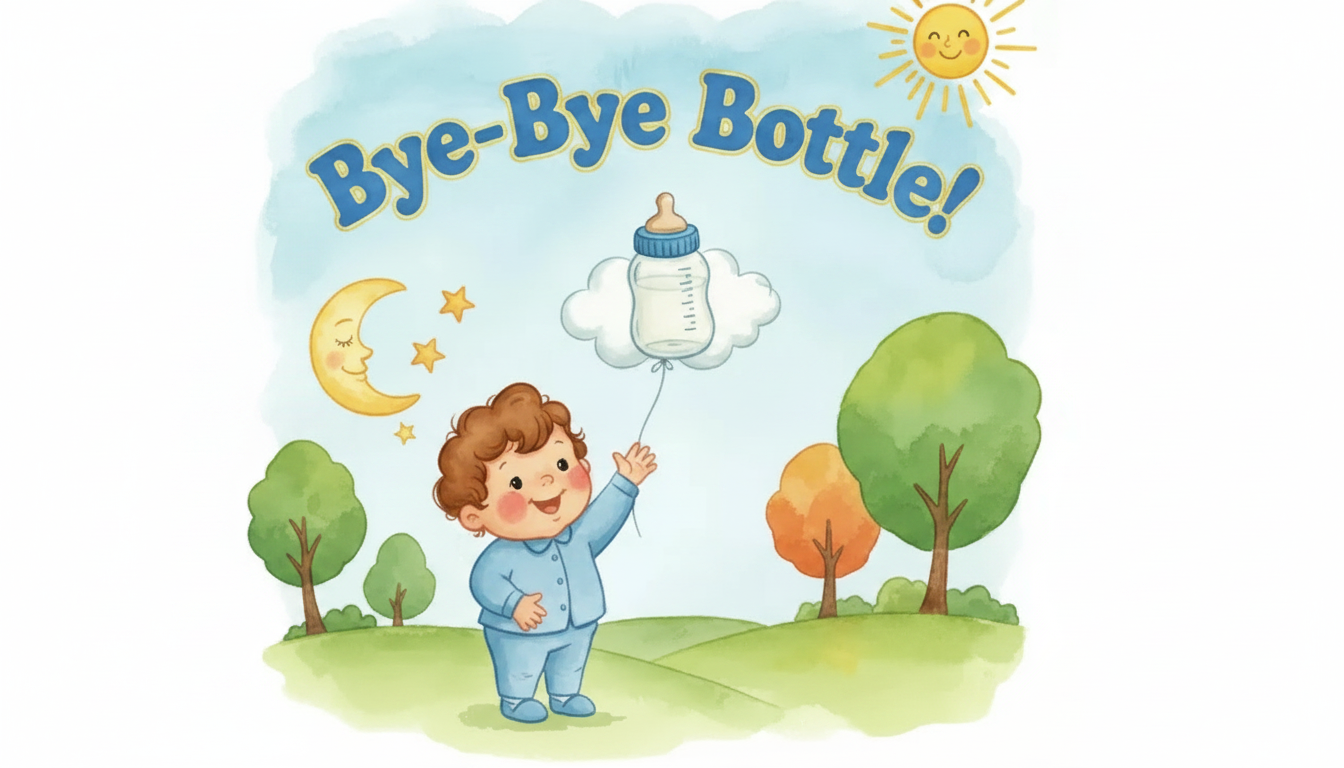
Bye-Bye Bottle: A Toddler Bottle-Weaning Checklist Parents Can Actually Follow
Bottle-weaning can feel simple on paper and messy in real life—sleep routines, comfort habits, and timing all matter. A smoother transition usually comes from clear steps, predictable boundaries, and a cup plan that fits your child (not just a calendar). Below is a practical, parent-friendly checklist plus gentle strategies to move from bottle to cup without turning every sip into a struggle.
When bottle-weaning usually makes sense
Many families aim to phase out bottles around 12–18 months, with flexibility based on your toddler’s development and your pediatrician’s guidance. The goal isn’t perfection by a certain birthday—it’s building healthy, sustainable drinking and feeding habits.
- Why phase out bottles: supports oral health, reduces prolonged sipping of milk/juice, and encourages cup skills and more independent meal/snack routines.
- Signs your toddler may be ready: curiosity about cups, ability to manage thicker liquids from a straw/open cup, fewer feeds needed mainly for comfort, and consistent meals/snacks.
- When to pause and ask a clinician: feeding difficulties, growth concerns, significant sleep disruption lasting more than 1–2 weeks, or any condition that affects swallowing.
For general guidance, the American Academy of Pediatrics (HealthyChildren.org) and the American Dental Association both emphasize early oral-health-friendly routines and age-appropriate transitions.
Pick a transition style that matches your child’s temperament
There’s no single “right” approach—there’s the approach your toddler can tolerate and you can repeat consistently. Choose one style and stick with it long enough to see momentum (often a week), rather than switching methods daily.
| Approach | Best for | What to do | Watch-outs |
|---|---|---|---|
| Gradual reduction | Toddlers strongly attached to bottles | Drop one bottle every 3–7 days; keep the rest temporarily | Too slow can prolong the habit—set a target date |
| Time-based boundaries | Families who like clear rules | Limit bottles to set times, then remove one time slot | Toddlers may negotiate—stay consistent |
| Swap-and-support | Bottle used for comfort | Keep the comfort ritual; change the container to a cup | Initial refusal is common—offer small amounts often |
| Cold-turkey | Toddlers already using cups well | Remove bottles completely and offer cups only | Can cause big bedtime pushback if bottles are sleep cues |
The bottle-weaning checklist (printable-style steps)
Think of this as a 2–4 week plan you can adjust. The win is steady progress, not a flawless day.
- Pick a goal date (2–4 weeks out) and choose your approach: gradual, time-based, swap-and-support, or cold-turkey.
- Choose your starter cup: straw cups work well for many toddlers; practice open cups at meals with tiny pours.
- Decide what goes in the cup: water anytime; milk with meals/snacks; avoid frequent sipping of sugary drinks.
- Remove the easiest bottle first (often mid-morning or mid-afternoon). Keep the toughest (often bedtime) for last.
- Replace the removed bottle with a consistent routine: sit together, offer the cup, then move into an activity.
- Move milk earlier in the bedtime routine: aim for milk before brushing teeth, then water only after brushing.
- Track what works: which bottle times are now bottle-free, which cup is accepted, and which comfort cues reduce protest.
- Plan for resistance: keep boundaries kind and firm. Offer choices that don’t reopen the bottle decision (cup color, straw vs. open cup, where to sit).
- Celebrate small wins: one bottle removed is meaningful progress. Keep the next step predictable.
Toddler-friendly tactics that reduce meltdowns
- Offer control without changing the plan: “Blue cup or green cup?” instead of “Bottle or cup?”
- Use first/then language: “First cup, then story.” Keep it short and repeatable.
- Start with small servings: a few sips feel achievable; you can refill as needed.
- Model it: sip water together, then hand your toddler their cup.
- Make water easy to access: if the bottle used to be a comfort object, substitute frequent water opportunities.
- Expect an adjustment window: 3–10 days of protest is common when removing a key bottle; consistency usually beats exceptions.
Bedtime and overnight bottles: the gentle step-down plan
Bedtime is often the final boss because bottles can function as both “food” and “sleep cue.” Separating those jobs—feeding earlier, soothing later—tends to reduce tears over time.
Common sticking points (and simple fixes)
A ready-to-use digital checklist for busy parents
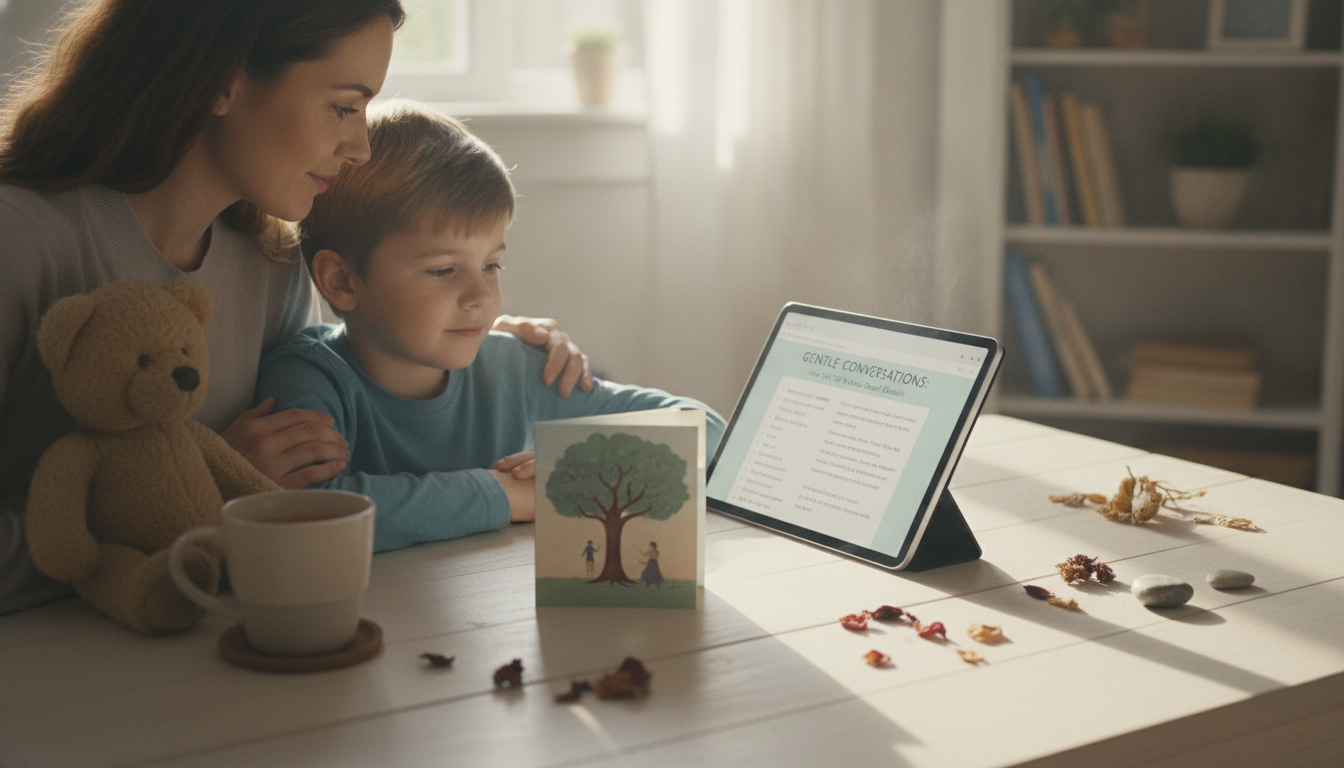
- Bye-Bye Bottle! Toddler Bottle-Weaning Checklist (digital download) for step-by-step guidance and a clear plan you can keep on your phone.
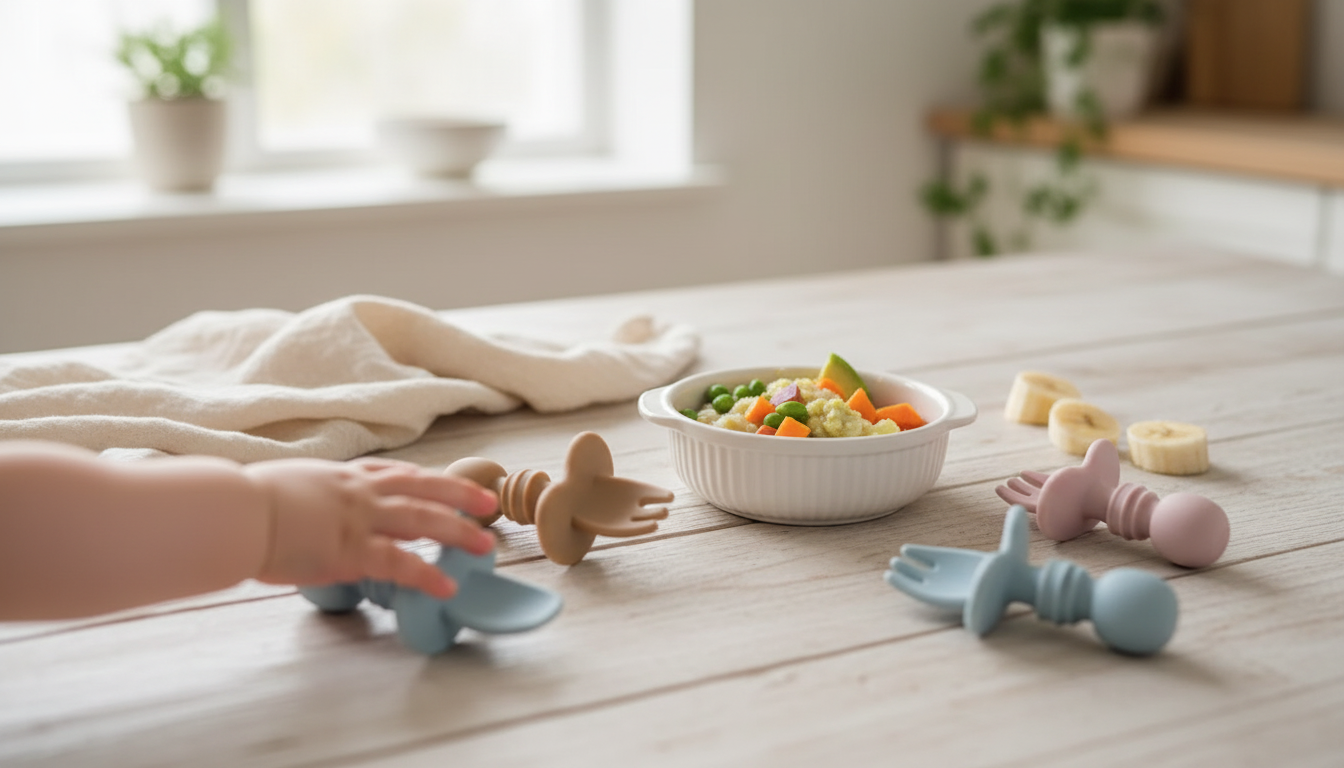
- 6PCS Baby Feeding Bowl & Utensil Set to support the “milk with meals” routine and make seated feeding feel more consistent while bottle times fade out.
FAQ
How long does it usually take to wean a toddler off the bottle?
Many families see progress in about 1–4 weeks, depending on how tied the bottle is to sleep, your toddler’s temperament, and how consistent caregivers can be. It’s common to have a few tough days each time you remove a major bottle.
What if my toddler refuses milk from a cup?
Try a different cup style (straw vs. open), change milk temperature, and offer small portions with meals rather than as a constant sip option. Some toddlers drink less milk after weaning and still meet nutrition needs through food and other dairy options.
Should bedtime bottles stop before brushing teeth?
Yes—milk after brushing can leave sugars on teeth overnight, which isn’t ideal for oral health. Shift milk earlier in the routine, brush teeth, then offer only water afterward; check with your pediatric dentist or pediatrician for guidance tailored to your child.






Leave a comment