Door & Window Alarm Lock for Kids: Home and Hotel Tips
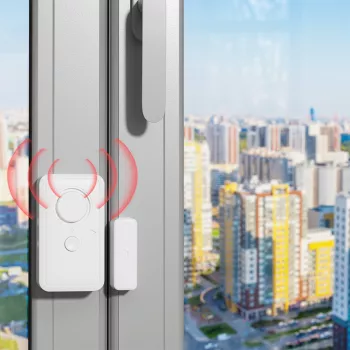
Children Safety Door & Window Alarm Lock for Home and Hotel Protection
Toddlers move fast, and doors and windows can become unexpected escape routes or pinch points—especially during busy routines or while traveling. A compact alarm lock adds a simple layer of protection by helping limit access and drawing attention if a door or window is opened. Used thoughtfully, it can support safer daily habits at home and provide extra reassurance in unfamiliar places like hotels and rentals.
What an alarm lock adds to everyday childproofing
Most families already rely on basic childproofing—latches, doorknob covers, routines, and close supervision. An alarm lock builds on those layers in a practical way, especially in high-traffic areas.
- Helps reduce unsupervised exits through doors, patio sliders, and accessible windows.
- Adds an audible alert when an entry point is opened, supporting faster caregiver response.
- Creates an extra barrier for curious children who can reach basic latches or handles.
- Useful for shared living situations (visiting relatives, rentals) where full childproofing is limited.
- Supports peace of mind in hotel rooms where door hardware varies widely.
For families who want a simple, portable option, the Children Safety Door & Window Alarm Lock for Home and Hotel Protection is designed to combine a physical “slow-down” point with an attention-getting alarm.
Best places to use it at home
Placement matters as much as the device itself. The goal is to reduce opportunities for a quick exit while keeping adult access straightforward.
- Front and back doors: especially if a child can reach the handle, deadbolt, or chain lock.
- Patio and balcony doors: helps prevent fast exits and reduces the chance of wandering outdoors.
- Ground-floor windows: adds a reminder layer on windows that open easily or are near furniture.
- Nursery doors (as appropriate): helps monitor opening during naps—avoid configurations that could trap occupants in an emergency.
- Laundry/garage access doors: helpful in homes where these spaces contain hazards (chemicals, tools).
If mornings and transitions are the biggest challenge, pairing safety hardware with a predictable routine can reduce “door-dash” moments. Some families keep a simple checklist near the exit; a printable guide like the Preschool Drop-Off Survival Checklist | Morning Routine Guide can help standardize what happens before anyone reaches the doorknob.
Using it for hotel stays and travel
Travel changes the environment in ways that can increase risk: different locks, unfamiliar room layouts, distractions while packing, and new “climbable” furniture near windows.
- Quick setup for temporary rooms where drilling or permanent hardware changes are not allowed.
- Adds an attention-getting alert if a child opens the room door while adults are distracted (packing, showering, attending to siblings).
- Pairs well with a simple travel routine: test the alert on arrival, confirm placement height, and check it before bedtime.
- Consider room layout: keep luggage and furniture away from windows/doors to reduce climbing access.
- Maintain clear emergency egress: ensure adults can open the door quickly and the device does not block evacuation.
For broader guidance on preventing injuries at home and on the go, the CDC’s child injury prevention resources provide helpful context on common household risks and practical prevention steps.
Setup checklist for reliable performance
Alarm locks work best when they’re installed carefully and checked routinely—especially as kids grow taller and more capable.
Features to look for (and what they solve)
Common entry points and a practical placement goal
| Entry point | Why it matters | Placement goal |
|---|---|---|
| Front/back door | Fast exit risk during busy moments | Out of child reach, still easy for adults to arm/disarm |
| Sliding patio door | Quiet opening and wide access to outdoors | Aligned so the lock limits sliding and the alarm triggers on movement |
| Ground-floor window | Accessible from furniture; ventilation habits | High placement; avoid interfering with emergency exit needs |
| Hotel room door | Unfamiliar hardware; frequent distractions | Adult-accessible position; test immediately after check-in |
Safety notes and limitations
- An alarm lock is an added layer, not a substitute for supervision and safe home setup.
- Avoid installations that could prevent fast adult exit during emergencies (fire, smoke, medical events).
- Keep cords and blind pull strings out of reach near windows; alarms do not mitigate strangulation hazards. For guidance, review the U.S. Consumer Product Safety Commission’s window covering cord safety information.
- Reassess as children grow: climbing ability changes quickly, and furniture placement can create new access routes.
- For windows above the first floor, prioritize guards or stops designed for fall prevention; the American Academy of Pediatrics window fall prevention guidance is a useful reference.
Recommended add-ons from the store
- Children Safety Door & Window Alarm Lock for Home and Hotel Protection (portable extra layer for doors and windows)
- Preschool Drop-Off Survival Checklist | Morning Routine Guide (routine support to reduce chaotic exit moments)
FAQ
Is an alarm lock safe to use on a bedroom door?
It can be, but avoid any setup that could trap someone inside during an emergency. Prioritize a configuration that adults can override quickly and keep evacuation routes clear at all times.
Will it work on sliding doors and windows?
Often yes, but fit depends on the frame style, clearance, and alignment. Confirm the lock can meaningfully limit sliding motion and that the alarm reliably triggers when the door or window moves.
What’s the best height to install it?
Install it out of child reach and away from climbable furniture that could provide access. The ideal height varies by door/window type and household routines, so test for both adult convenience and consistent triggering.








Leave a comment