Daycare-Ready Toddler Snacks: Checklist & Weekly Planner
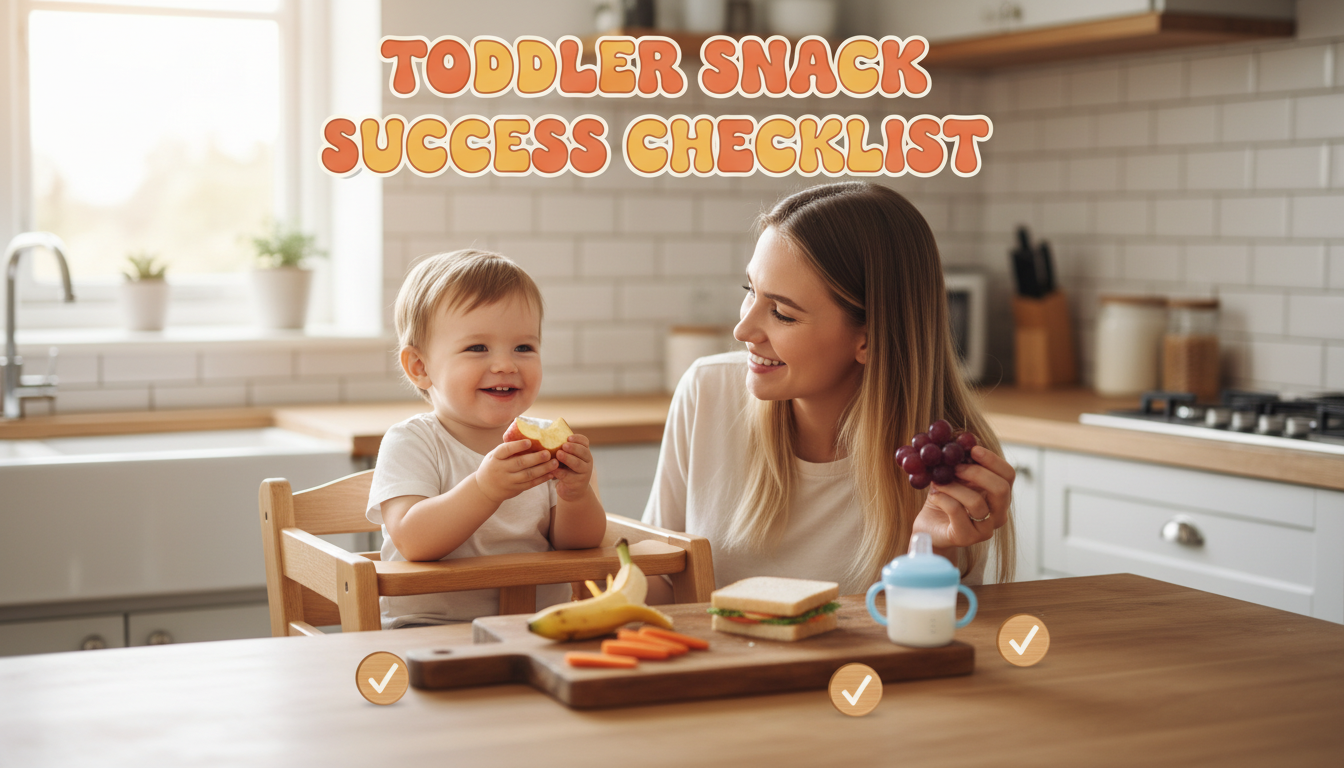
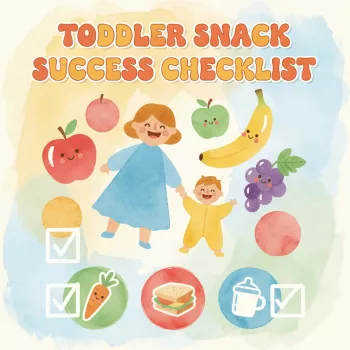
Toddler Snack Success Checklist: A Simple Plan for Daycare-Ready, Balanced Snacks
Busy daycare mornings go smoother when snacks are already decided, packed, and easy for little hands to manage. A simple checklist-and-planner approach helps parents rotate balanced options, avoid common daycare restrictions, and keep snacks predictable—without getting stuck in the same few choices every week.
What “snack success” looks like at daycare
Daycare-friendly snacks aren’t just “healthy”—they also need to work in a classroom setting. Snack success usually means:
- Rule-ready snacks: aligned with allergy policies, choking-safety expectations, and temperature/storage limits.
- Travel-proof packing: minimal leaking, no strong odors, and packaging that stays intact in a lunch bag.
- Balanced staying power: fiber plus protein and/or healthy fats to help reduce quick energy crashes.
- Age-appropriate portions: enough to satisfy without overwhelming toddlers who eat slowly.
- Low-stress variety: a repeatable rotation so planning takes minutes, not hours.
- Independence-friendly: easy-open containers and finger foods when utensils aren’t supported.
Before packing: key daycare checks to confirm once
A one-time confirmation with your daycare can prevent the most common snack headaches. Ask about:
- Allergy policy: nut-free rules, seed products, and whether “may contain” labels are allowed. The CDC has a helpful overview of allergy practices in early care settings: CDC — Food Allergies in Schools and Early Care and Education Programs.
- Food prep rules: whether items must be pre-cut (for example, quartered grapes) and whether reheating is available.
- Storage limits: if snacks must be shelf-stable or if a fridge/cooler is provided.
- Container rules: whether glass is prohibited, if metal cutlery is allowed, or if disposable packaging is discouraged.
- Choking-risk guidance: avoid hard, round, sticky, or popcorn-like items; pre-cut where needed. For reference, see American Academy of Pediatrics — Choking Prevention.
- Celebrations/special events: whether homemade items are allowed on party days.
A simple formula for healthy toddler snacks
When you’re short on time, a repeatable structure beats constant brainstorming.
- Use a “2-part snack” most days: (1) fruit/veg + (2) protein or whole grain.
- Plan hydration: water first; limit juice unless your pediatrician recommends otherwise.
- Prioritize low-mess textures: drier fruit, thicker dips, and contained portions work best for daycare.
- Keep added sugar minimal: choose plain yogurt, unsweetened applesauce, and lightly sweet options when possible. For general balance guidance, see USDA MyPlate — Nutrition Tips for Preschoolers.
- Rotate colors and textures: crunchy, soft, and dip-based variety across the week (as appropriate for your child).
- Support picky phases: keep a few “safe foods” in rotation while introducing one small new item at a time.
Daycare-friendly snack ideas (mix-and-match list)
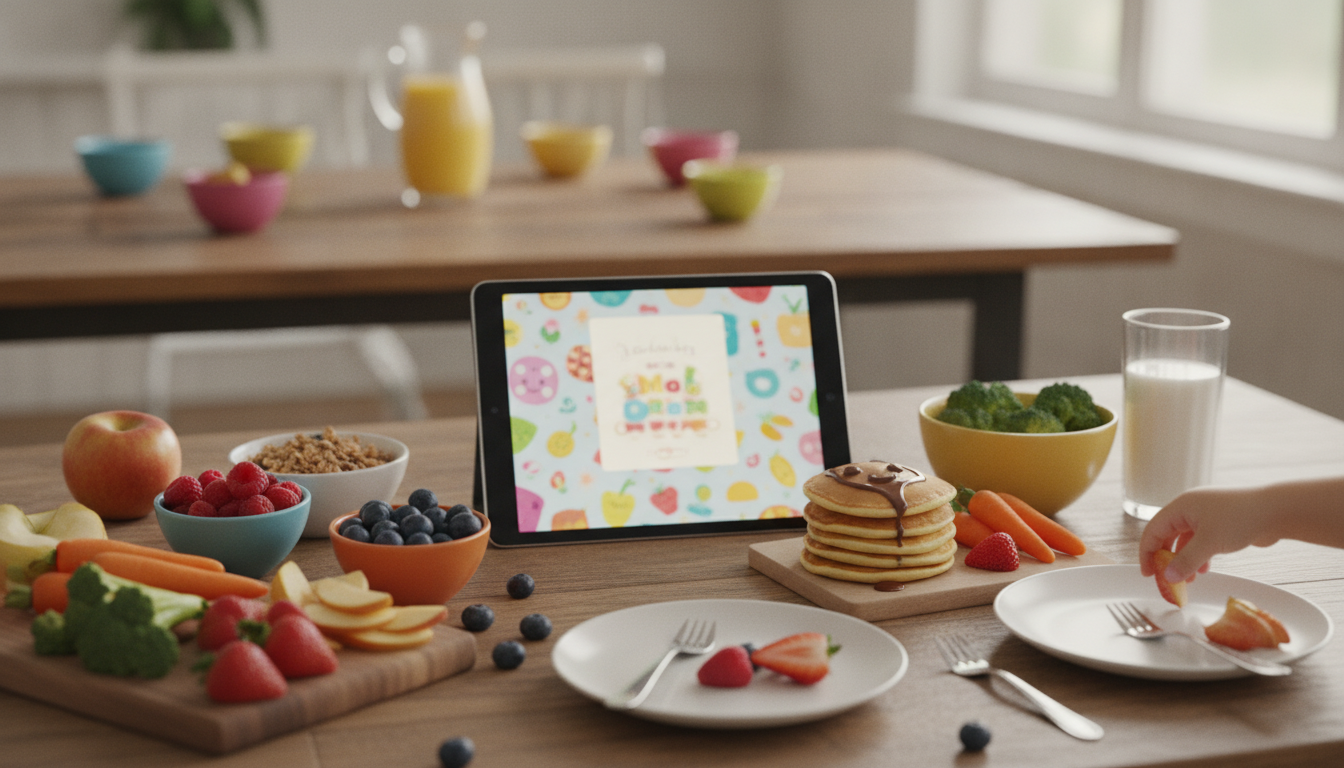
Mix a produce option with a protein/healthy fat (and add a whole grain when it fits). Always follow your daycare’s rules and your toddler’s chewing ability.
- Fruit options: banana slices, berries (age-appropriate), peeled mandarin segments, pear slices, unsweetened applesauce pouch.
- Veg options: cucumber sticks, steamed carrot sticks (soft), bell pepper strips, snap peas (if appropriate), cherry tomatoes cut safely.
- Protein options: cheese cubes, plain Greek yogurt, hummus, sunflower seed butter (if allowed), beans (like mashed white beans on toast).
- Whole grains: whole-grain crackers, mini pita, low-sugar oatmeal bar, whole-grain muffins (if permitted).
- Simple combos: apple slices + cheese; yogurt + berries; crackers + hummus; banana + sunflower seed butter; pita + mashed avocado.
- Shelf-stable backups: single-serve crackers, shelf-stable milk (if allowed), dried fruit in small portions (only if chewing skills support it).
| Fruit/Vegetable | Protein/Healthy Fat | Whole Grain (optional) | Pack-it note |
|---|---|---|---|
| Berries | Plain yogurt | Granola (low sugar) | Use a leakproof cup; add spoon if permitted |
| Banana slices | Sunflower seed butter (if allowed) | Whole-grain crackers | Pack butter in a tiny container to avoid mess |
| Cucumber sticks | Hummus | Mini pita | Choose thicker hummus for less leaking |
| Applesauce (unsweetened) | Cheese cubes | — | Add a napkin; cheese stays best with an ice pack |
| Steamed carrots (soft) | Bean dip | Whole-grain toast fingers | Cut into toddler-size grips |
| Pear slices | Avocado mash | — | Spritz pear with lemon water to reduce browning |
Packing tips that prevent spills, waste, and refusals
How the printable checklist and planner fits into a weekly routine
What’s included in the instant download
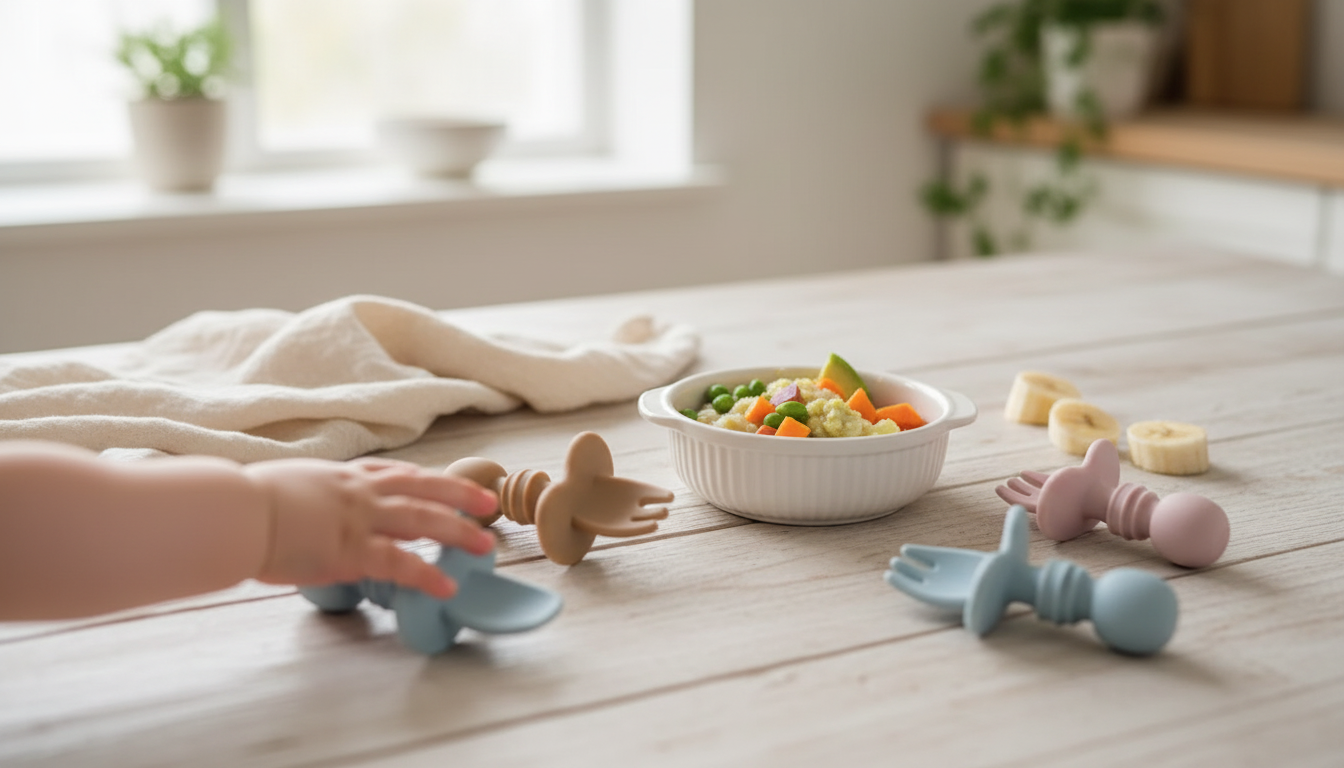
If you want an all-in-one, ready-to-print system, see the Toddler Snack Success Checklist (printable instant download). For a smoother overall morning flow that supports snack packing, pair it with the Preschool Drop-Off Survival Checklist. And if your daycare allows utensils and you’re building a reliable lunch-bag kit, the 6PCS Baby Feeding Bowl & Utensil Set can help keep portions and tools consistent.
FAQ
What are safe daycare snack shapes for toddlers?
Choose soft, small pieces and pre-cut round foods (like grapes or cherry tomatoes) to reduce choking risk. Avoid hard, round, sticky, or popcorn-like items, and follow your daycare’s written rules and your pediatrician’s guidance.
How many snacks should a toddler bring to daycare?
Follow your center’s schedule and pack the number they request for that day. When in doubt, pick filling combinations (produce plus protein/whole grain) that match the longest gap between meals.
What if my daycare is nut-free?
Use nut-free proteins and fats such as cheese, yogurt, hummus, beans, or avocado. If you’re considering sunflower seed butter or other seed products, confirm the daycare’s policy and label requirements first.






Leave a comment