Silicone Teething Mitten Glove: BPA-Free Gum Soother
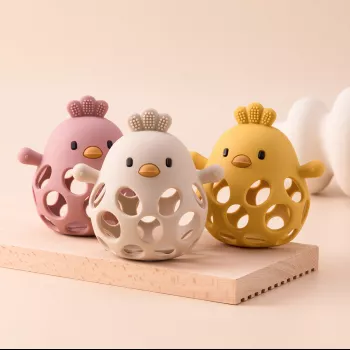
Silicone Baby Teething Mitten Glove: A Hands-Free, BPA-Free Chewable Teether for Early Gum Relief
Teething can turn little hands into constant chew targets—often leading to drool, irritation, and dropped teethers. A silicone teething mitten glove stays on the hand, gives gums a safe surface to chew, and helps soothe discomfort while supporting early sensory exploration. For many families, the biggest win is convenience: instead of picking up a teether (again) and wiping it down (again), the soothing surface is already right where baby wants it—on their hand.
Why a teething mitten can be easier than a standard teether
Traditional teethers work well once babies can reliably grasp and reposition them. Earlier on, though, many babies are still learning how to hold objects—and their hands naturally drift to their mouth anyway. That’s where a mitten-style teether can feel like a “cheat code” for fussy moments.
- Stays attached to baby’s hand to reduce drops and germy floor pickups.
- Encourages self-soothing for babies who haven’t mastered gripping a ring-style teether yet.
- Creates a consistent chewing surface that’s easy to find, especially during fussy moments.
- Helps protect little hands from excessive chewing on fingers and knuckles.
If teething flare-ups tend to strike when you’re out and about, a mitten can also cut down on the “teether rescue mission” while you’re pushing a stroller or juggling a diaper bag.
What “BPA-free silicone” means for a chewable baby toy
Parents see “BPA-free” everywhere, but it’s especially relevant for items that spend a lot of time in a baby’s mouth. BPA-free materials help reduce exposure to certain chemicals sometimes found in plastics. Silicone, meanwhile, is commonly used for baby products because it’s flexible, durable, and offers gentle resistance that can feel satisfying on sore gums.
- BPA-free materials can help families avoid BPA exposure in everyday baby gear.
- Silicone texture offers a springy, chewable surface that can be soothing during gum tenderness.
- Design matters: look for smooth edges and a build that won’t shed small pieces under normal chewing.
- Supervision is still essential: discontinue if any tearing or damage appears.
For general teething guidance and comfort tips, see the American Academy of Pediatrics resource on teething at HealthyChildren.org. For safety reminders on teething products, the U.S. Food & Drug Administration also provides consumer information.
Comfort and sensory features that matter during teething
Teething isn’t only about gum pressure—it’s also an intense sensory phase. Babies learn through mouthing, touching, and exploring textures. A mitten format can support that exploration while keeping the chewing focused on a safe surface.
- Textured chewing surfaces can provide varied gum stimulation and help babies focus their chewing.
- Mitten-as-sensory-toy: babies explore with mouth, hands, and touch at the same time.
- A secure closure helps the mitten stay in place without being overly tight; always check that circulation is not restricted.
- Breathable fabric portions (if included) can help manage drool and reduce skin irritation on the hand.
A helpful rule of thumb: a teething mitten should feel “secure but gentle.” If the wrist area leaves deep marks, seems to bother your baby, or traps too much moisture, it’s time to adjust the fit or switch to a different design.
Quick checklist: fit, safety, and everyday usability
Before you buy—or before you commit to using a mitten daily—run through a few practical checks. Teething items get heavy use, frequent washing, and lots of chewing, so small details matter.
| Feature | Why it helps | What to check |
|---|---|---|
| Mitten design | Reduces drops; supports self-soothing | Secure fit; not overly tight |
| Silicone chew surface | Gentle resistance for sore gums | No sharp edges; no damage after chewing |
| BPA-free material | Avoids BPA exposure | Care instructions followed; inspect regularly |
| Easy cleaning | Supports hygiene with frequent use | Wash/dry thoroughly; avoid harsh cleaners |
| Closure/strap | Keeps teether on hand during play | Stays closed; comfortable on wrist |
Cleaning and care basics for a teething mitten
When to use a teething mitten (and when to skip it)
Product spotlight: Silicone Baby Teething Mitten Glove (BPA Free Chewable Teether Toy)
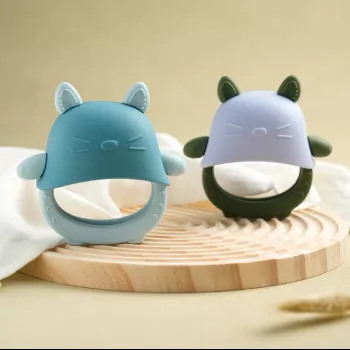
If you want a teether that’s easier for a young baby to “hold,” a mitten-style option is designed to do the holding for them. The Silicone Baby Teething Mitten Glove BPA Free Chewable Teether Toy is made to provide a chewable silicone surface while staying attached to baby’s hand—helping reduce drops and making self-soothing more consistent.
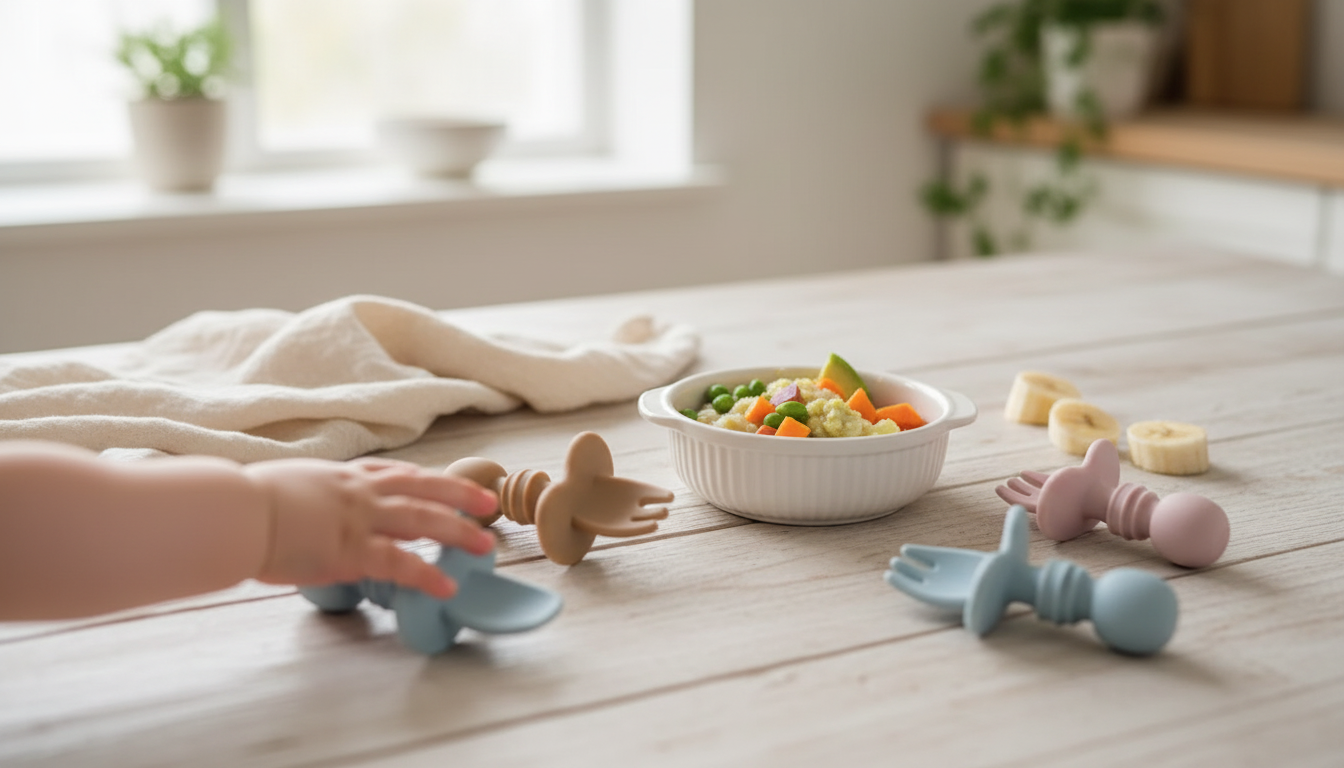
Teething often overlaps with the “drool-to-meals” stage as babies begin exploring solids. Pairing teething support with a simple mealtime setup—like the 6PCS Baby Feeding Bowl & Utensil Set—can help streamline daily routines when your little one’s mouth is busy for more than one reason.
FAQ
What age can a baby use a teething mitten?
Many babies can benefit once hand-mouthing starts in the early months, but the safest approach is to follow the product’s age guidance and use only under adult supervision. Stop using it if your baby can remove the mitten or starts chewing non-teether parts.
How do you clean a silicone teething mitten safely?
Wash it before first use, then clean frequently with mild soap and warm water unless the manufacturer specifies otherwise. Rinse well, dry completely, and regularly inspect the chewing surface for any damage.
Are BPA-free silicone teethers safe for babies to chew?
BPA-free materials reduce exposure to BPA, and silicone is commonly used in baby products because it’s durable and flexible. For safety, supervise use, inspect often, and replace the teether if you notice tears, cracks, or weakening.










Leave a comment