2026 Electric Cars Buyer Guide: Range, Charging, Costs

The Best Electric Cars of 2026 Explained: A Smart Buyer’s Guide and Comparison Checklist
Shopping for an electric car in 2026 is less about finding a single “best” model and more about matching range, charging access, real-world efficiency, comfort, software, and long-term costs to the way the vehicle will actually be used. This guide breaks down the decisions that matter most—so the final choice is based on priorities, not marketing claims.
What matters most when choosing an electric car in 2026
Start with the “daily reality” factors: typical commute miles, winter/summer extremes, home charging availability, and how often long trips happen. Those basics determine whether a smaller, more efficient EV is a better fit than a heavier long-range option.
- Prioritize charging ecosystem fit: connector type, access to reliable fast-charging on common routes, and the vehicle’s peak charge rate and charging curve behavior.
- Separate “battery size” from “usable range”: look for consistent real-world efficiency, not just the largest kWh number.
- Decide which experience category matters: quiet comfort and refinement, sporty handling, maximum practicality, or lowest operating cost.
- Treat driver-assistance and infotainment as core purchase criteria: these features affect every drive and can vary widely by brand and trim.
Quick decision map: match the EV to the way it will be used
| Primary need | Target range (real-world) | Charging priorities | Vehicle priorities | Common deal-breakers to watch |
|---|---|---|---|---|
| Mostly city + short commute | 200–260 miles | Home Level 2 convenience; occasional DC fast charge | Efficiency, compact size, easy parking | Slow DC fast-charge speed; poor winter efficiency |
| Suburban family daily driver | 250–320 miles | Reliable DC fast charging for weekend trips | Cabin space, safety ratings, cargo, rear-seat comfort | Small cargo opening; limited rear legroom; high tire costs |
| Frequent road trips | 300+ miles | Strong charging curve; widespread fast-charging access | Comfort seats, quiet cabin, stable highway range | High-speed range drop; long charge stops due to tapering |
| Cold-climate ownership | Add 15–30% buffer | Battery preconditioning; heat pump; predictable charging in winter | Thermal management, traction, visibility | No heat pump; weak preconditioning; heavy winter range loss |
| Towing or hauling | Choose by load profile | Fast charging and route planning are essential | Tow rating, stability, cooling capacity | Major range hit while towing; limited charging while hitched |
Range and battery basics that prevent expensive surprises
- Look for thermal management details: heat pump availability, battery preconditioning, and how the vehicle behaves during repeated fast-charge stops.
- Compare efficiency (miles/kWh) alongside range: a more efficient EV can be cheaper to run and less sensitive to seasonal swings. For side-by-side comparisons, FuelEconomy.gov is a dependable starting point.
- Check warranty coverage for battery and drive unit terms; confirm what triggers warranty limitations (usage, modifications, or commercial use).
- Plan around usable range rather than the best-case figure: build in a buffer for weather and battery aging over time.
Charging: home setup, public networks, and fast-charge performance
- Public charging reliability matters more than theoretical speed: prioritize consistent stations on regular routes rather than rare peak charging numbers. The U.S. Department of Energy AFDC EV hub is a helpful reference for charging basics and infrastructure context.
- Fast charging performance is a curve, not a single figure: evaluate how long it takes to go from low state-of-charge to a practical driving buffer (often 10%→80%).
- Connector compatibility and adapter options influence trip flexibility; ensure the vehicle’s navigation and route planning integrate charging stops well.
- Apartment/condo drivers should treat workplace charging, neighborhood charging density, and idle fees as primary purchase considerations.
Total cost of ownership: the numbers beyond the sticker price
Safety, comfort, and tech that matter every day
- Use independent safety ratings where available; verify crashworthiness plus headlight performance and crash-avoidance evaluations. Check NHTSA 5-Star Safety Ratings for comparable data across models.
- Driver-assistance should be assessed by behavior, not branding: lane-centering consistency, driver monitoring, and false alarms on familiar roads.
- Cabin comfort is a long-trip multiplier: seat design, road noise, HVAC strength, and rear-seat usability matter as much as acceleration.
- Software and updates can improve (or change) features over time; confirm what is included, what is subscription-based, and whether updates are reliable.
- Cargo practicality can differ even within similar exterior sizes: measure trunk opening, underfloor storage, and second-row folding behavior.
Best electric car categories for 2026 buyers (choose by use-case)
Smart buyer checklist and comparison guide (downloadable resource)
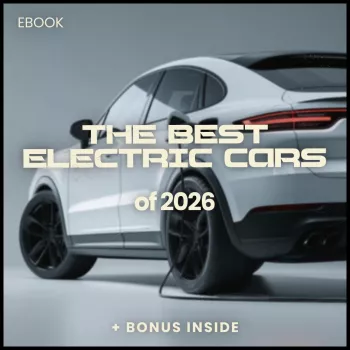
For a deeper breakdown and a ready-to-use checklist, see: The Best Electric Cars of 2026 Explained | Ultimate Guide to the best electric cars 2026, EV Comparison eBook, Smart Buyer Checklist.
If you like keeping ownership details in one spot (adapters, charging cards, tire gauge, microfiber cloths), an at-home organizer can help keep the “EV stuff” from migrating into every cupholder: 3-Layer Drawer Desktop Makeup Organizer – Dustproof Storage Box.
FAQ
How much range is enough for an electric car in 2026?
Use your longest typical day of driving as the baseline, then add a buffer for weather, detours, and gradual battery aging (often 15–30% in colder climates). If reliable fast charging is already on your regular routes, you can often choose slightly less range without sacrificing convenience.
Is home charging necessary, or can public charging work?
Home charging isn’t mandatory, but it’s usually the easiest and least expensive way to live with an EV. Public-only charging can work in dense areas with reliable stations or with consistent workplace charging—just factor in time, parking rules, and potential idle fees.
What should be compared besides price and EPA range?
Compare the charging curve (especially 10%–80%), efficiency (miles/kWh), insurance quotes, tire replacement costs, safety ratings, driver-assist behavior, winter performance features (heat pump and preconditioning), cargo practicality, and warranty terms.










Leave a comment