Easy Healthy Kid Meals: Simple Weekly Plan & Picky Tips
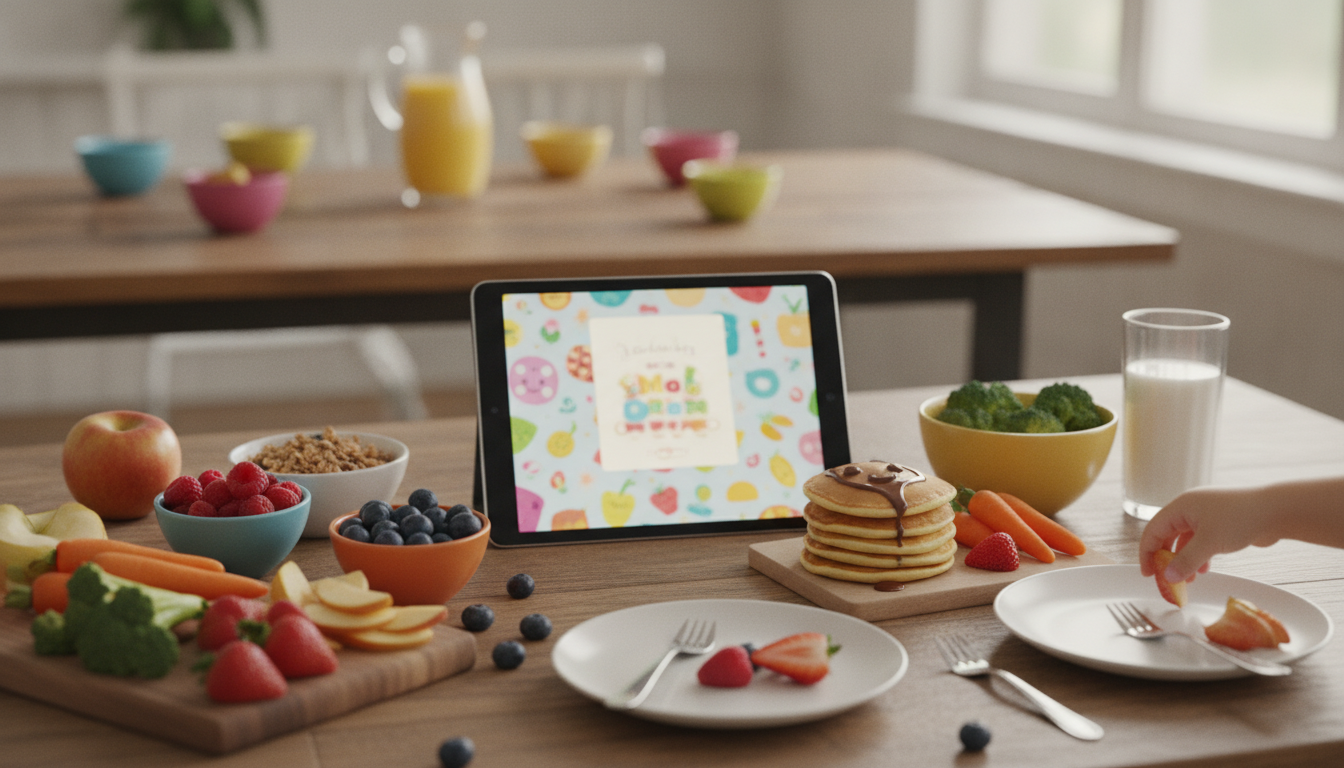
Easy & Healthy Meals Kids Will Love: A Family-Friendly Digital Guide for Busy Parents
Healthy family meals get easier when kids feel included and the plan fits real-life schedules. The Easy & Healthy Meals Kids Will Love | Family-Friendly eBook with Tips for Making Healthy Family Meals with Kids | Digital Download Guide for Busy Parents | Fun Cooking Together Activities | Kid-Approved Recipes and Meal Planning Ideas is built around kid-approved flavors, simple meal planning, and low-stress “cook together” ideas—so dinner feels calmer, not complicated. For nutrition basics and balanced plates, resources like USDA MyPlate and the American Academy of Pediatrics’ Healthy Living hub can be helpful companions as you shape routines that work for your family.
Why Kid-Approved Healthy Meals Feel So Hard (and What Actually Helps)
If weeknight dinners feel like a negotiation, it’s not a parenting “failure”—it’s a predictable mix of development and timing. Many kids cycle through picky phases, have inconsistent appetites, and hit the wall after school. Add time pressure and hunger, and even a familiar meal can turn into a standoff.
What tends to help most is steady, low-pressure repetition. Repeated exposure works best when it’s gentle: tiny tastes, optional participation, and a calm tone. Over time, kids often accept more foods simply because they’ve seen them often enough to feel safe.
Structure also reduces power struggles. Predictable meal rhythms (similar dinner times and expectations), limited choices (“peas or carrots?”), and one family meal with small adjustments (“same meal, small tweaks”) go a long way. Instead of making separate “kid food,” aim for customizable components: plain protein, a familiar carb, a veggie choice, and a sauce or dip on the side.
Progress markers that matter aren’t perfection—they’re fewer battles, more calm at the table, and a slightly wider rotation of foods over a few weeks.
What’s Inside the Easy & Healthy Meals Kids Will Love eBook
Because it’s a digital download, the guide can live on your phone or tablet for quick reference while planning, shopping, or cooking. The focus is on meals that balance nutrition with familiar textures and flavors—think “approachable healthy,” not gourmet.
- Kid-approved recipe ideas designed to feel familiar while still adding variety
- Meal planning guidance that helps you rotate favorites without boredom
- Age-appropriate ways to get kids involved safely (without slowing you down)
- Fun cooking-together activities that turn prep into connection
- Strategies for picky moments that keep the table tone positive
If you want a concrete, repeatable system rather than a pile of one-off recipes, this is the kind of tool that supports consistency.
A Practical Weekly Routine: Plan Once, Eat Well All Week
A weekly template is one of the fastest ways to reduce weekday stress. Choose 3–4 “core dinners” and repeat them with small variations (swap seasoning, sauce, grain, or veggie). The goal is to make decisions once, then coast.
Family Dinner Template (Mix-and-Match for Kid-Friendly Variety)
| Build a plate | Pick 1 option | Kid-friendly swaps | Time-saver idea |
|---|---|---|---|
| Protein | Chicken, beans, eggs, fish, tofu | Serve plain pieces + dip; keep spice separate | Use rotisserie chicken or canned beans |
| Carb base | Rice, pasta, potatoes, tortillas, quinoa | Offer butter/olive oil option; cut into bite sizes | Microwavable rice or quick-cook pasta |
| Veggie | Roasted, steamed, raw crunchy sides | Add a familiar dip; offer raw if cooked is rejected | Frozen steam-in-bag veggies |
| Flavor | Tomato sauce, yogurt dressing, pesto, mild salsa | Let kids choose a sauce cup | Make one sauce and use twice |
Cooking Together Activities Kids Actually Enjoy
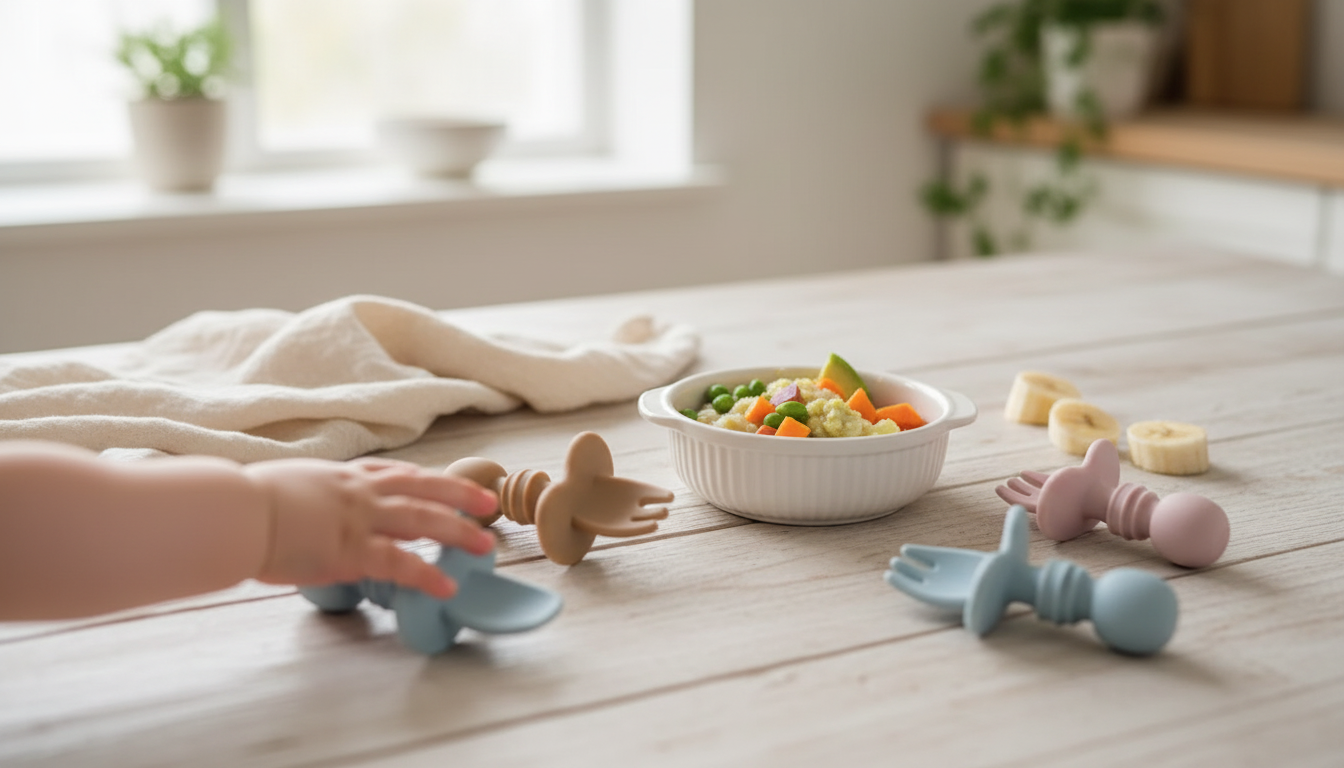
For younger kids, having their own tools can boost independence and reduce spills. A set like the 6PCS Baby Feeding Bowl & Utensil Set can make self-feeding and “I can do it” moments smoother, especially when you’re encouraging kids to explore foods at their pace.
Picky Eating Without the Power Struggle
Budget-Friendly Ways to Keep Meals Healthy
Helpful Tools That Make Family Mealtimes Smoother
Small systems remove daily friction. Kid-sized utensils and bowls support independence. A small “prep station” helps kids participate safely (mixing, pouring, assembling) without taking over the whole kitchen. And for families juggling school transitions, routines matter—pair dinner structure with a calmer morning flow using tools like the Preschool Drop-Off Survival Checklist | Morning Routine Guide | Printable Digital Download for Parents | Smooth School Transition Tips.
Get the Digital Guide: Easy & Healthy Meals Kids Will Love
If the goal is realistic, repeatable meal ideas—and a happier tone at the table—the Easy & Healthy Meals Kids Will Love eBook (digital download) is designed for busy parents who want less decision fatigue and more confidence around feeding kids. It’s built to support small changes that stick: flexible meal templates, kid-friendly recipes, and simple ways to involve children without turning dinner into an all-night production.
FAQ
What if a child refuses everything on the plate?
Stay calm, keep one familiar “safe” food available, and avoid pressuring or bargaining. Re-offer new foods in tiny portions over time, and consider involving your child in simple prep to increase comfort and buy-in.
How can healthy meals be fast on weeknights?
Use a weekly template, prep a few anchors (a grain, a sauce, and chopped veggies), and rely on shortcuts like frozen vegetables and rotisserie chicken. Mix-and-match dinners help you assemble meals quickly without starting from scratch.
Is this eBook suitable for different ages and picky eaters?
Yes—meal ideas and strategies are designed to be flexible, with customization options like separate sauces and build-your-own plates. The guide also includes age-appropriate kitchen tasks so toddlers, preschoolers, and older kids can participate safely.









Leave a comment