Preschool Drop-Off Checklist: Calm Morning Routine for Kids
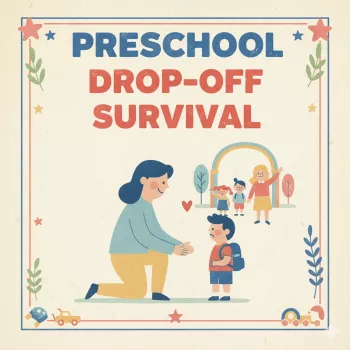
Preschool Drop-Off Survival Checklist: A Calmer Morning Routine for a Smooth Transition
Preschool drop-off can feel intense for both kids and parents: a brand-new environment, separation anxiety, time pressure, and the dread of a tearful goodbye. A simple, repeatable morning routine reduces uncertainty and builds confidence—especially when the same steps happen in the same order every day. Use the checklist-style structure below to create a predictable flow from wake-up to classroom handoff, with practical ways to handle common hiccups.
Set the night before for an easier morning
The easiest mornings usually start the evening before. Think of nighttime prep as “removing decisions” so your child can follow the same script on autopilot.
- Pick clothes ahead of time (including backup socks/underwear) and place everything in one “ready spot” by the door.
- Pack the bag completely: labeled water bottle, change of clothes, any comfort item allowed, and required forms.
- Choose breakfast options ahead of time (or pre-portion items) to avoid decision fatigue at 7 a.m.
- Create a simple visual plan with 4–6 steps a child can remember: wake up, bathroom, dress, breakfast, teeth, shoes.
- Shift bedtime earlier the week before school starts. An overtired child is far more likely to unravel at separation.
If you want a single place to keep the steps, scripts, and “night-before” prep, a printable can help. The Preschool Drop-Off Survival Checklist | Morning Routine Guide (Printable Digital Download) is designed to live on the fridge or in a binder so the routine stays consistent even when adults are running on low sleep.
A reliable morning routine that stays consistent
Consistency beats perfection. Your goal is a steady rhythm: connect first, move through transitions, then leave with time to spare.
- Start with connection before correction: 2–5 minutes of calm attention (snuggle, book, quiet chat) lowers resistance.
- Use a timer for transitions (getting dressed, finishing breakfast). The timer becomes the “bad cop,” not you.
- Offer limited choices: “red shirt or blue shirt,” “banana or yogurt,” so your child gets control without slowing the schedule.
- Build a 10–15 minute buffer for stalls, surprise bathroom trips, or parking delays.
- Keep the routine similar on non-school days when possible; predictability reduces Monday-morning resets.
Sample Morning Flow (adjust times to fit your schedule)
| Time | What Happens | Parent Script | Child Job |
|---|---|---|---|
| T-60 min | Wake up + cuddle | “Good morning. We’ll do our steps.” | Pick a stuffed animal for the car |
| T-50 min | Bathroom + wash hands | “Bathroom first, then clothes.” | Flush, wash, and dry hands |
| T-45 min | Get dressed | “Two choices: stripes or stars.” | Put pajamas in hamper |
| T-35 min | Breakfast | “Food first, then teeth.” | Carry plate to sink when done |
| T-25 min | Teeth + hair | “Fast teeth, then shoes.” | Pick hair clip or brush style |
| T-15 min | Shoes + out the door | “Next stop: school.” | Put backpack on and hold car buddy |
Small setup tools can make the routine smoother. A designated “ready spot” is easier to maintain when supplies stay contained; the 3-Layer Drawer Desktop Makeup Organizer – Dustproof Storage Box works well for hair ties, bandages, spare labels, or that one special comfort item that always disappears at the last second.
Drop-off strategies that reduce tears and clinginess
At the classroom door, the most helpful message is calm certainty: “This is safe, and you can handle it.”
- Keep goodbyes short and confident. Long negotiations often increase distress.
- Use a consistent goodbye ritual: hug, phrase, wave at the window, then handoff.
- Validate feelings without changing the plan: “You feel sad. It’s okay to feel sad. School is still happening.”
- Hand your child to the teacher or guide them to a clear activity (puzzles, playdough, books) as quickly as possible.
- Avoid sneaking out. It can erode trust and make future drop-offs harder.
For more guidance on routines and transitions, you can also review practical, research-informed tips from Zero to Three and parenting resources from the CDC Essentials for Parenting.
What to say (and what to skip) during a tough goodbye
A short, repeatable script is soothing because it’s familiar—especially when emotions run high.
Common problems and quick fixes
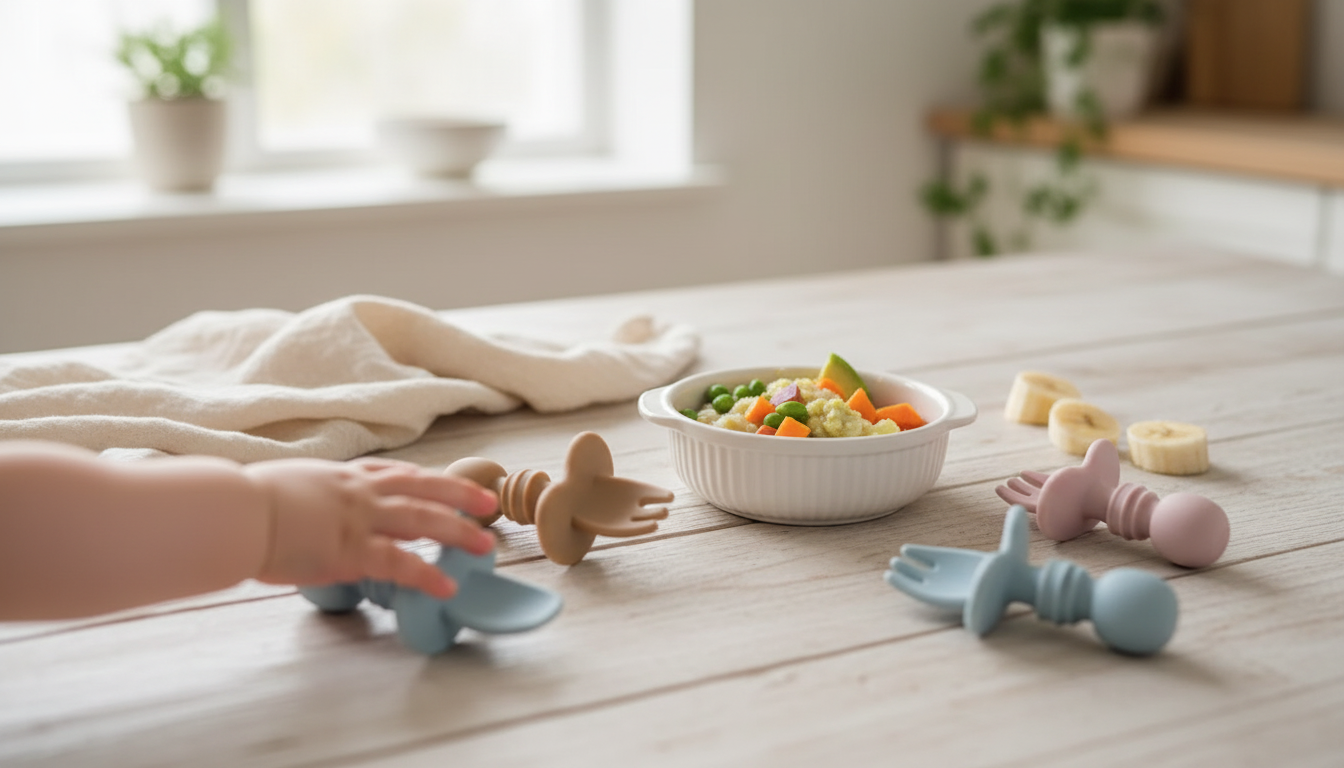
If breakfast is a daily friction point, reducing mess and indecision helps. A dedicated kid-friendly set like the 6PCS Baby Feeding Bowl & Utensil Set can make the “sit, eat, clear your plate” step more straightforward.
Make it easier with a printable routine and checklist
If you’re building a “school transition toolkit,” pairing your routine checklist with other parent-friendly downloads can keep planning simple. The Tiny Tummies, Big Flavors: Homemade Baby Food Guide (Digital Download) is useful when meal planning is part of your morning stress and you want easy, repeatable options.
FAQ
How long does it take for preschool drop-off tears to improve?
Many children improve within a few days to a few weeks, especially when the goodbye ritual and timing stay consistent. Signs it’s getting better include shorter crying and quicker engagement after you leave; check in with the teacher if distress escalates or persists beyond a few weeks.
Should a parent stay in the classroom during drop-off?
Policies vary, but brief, consistent goodbyes usually make separation easier than lingering. If your school supports it, consider a structured gradual plan, a transitional object, and a clear teacher handoff instead of staying unpredictably.
What if a child refuses to go into the building?
Use a calm, predictable script, avoid bargaining, and coordinate a quick handoff with staff. If needed, carry your child inside, move promptly to the teacher, and complete the same short goodbye ritual every time.








Leave a comment