Rattle Toys for Newborns: Benefits, Safety, and Tips
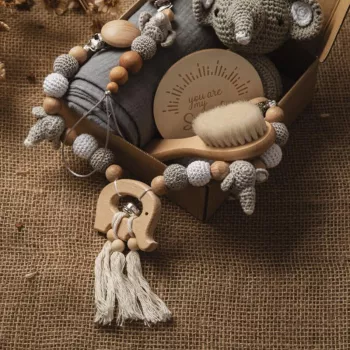
Are rattle toys good for newborns?
Yes—rattle toys can be good for newborns when they’re simple, lightweight, and used in short, supervised moments. Newborns are just beginning to notice sounds and track movement, so a gentle rattle can help with early sensory development without overwhelming them. The key is choosing a rattle designed specifically for ages 0+ and using it as an interactive toy rather than something a baby handles for long periods.
What benefits can a newborn get from a rattle?
A soft, quiet rattle can support early listening skills and visual tracking as your baby follows the sound and movement. When a caregiver shakes a rattle slowly from side to side, it encourages a newborn to turn their head, practice focusing, and start connecting cause and effect. Over time, babies also begin reaching toward the toy, which lays the groundwork for hand-eye coordination.
What kind of rattle is safest for a newborn?
Look for a one-piece or securely sealed rattle with no loose parts, sharp edges, or peeling paint. It should be light enough that it won’t hurt if it bumps a baby’s face, and big enough not to pose a choking hazard. Soft fabric rattles or small wrist/ankle rattles made for newborns are often a gentle option, as long as they fit properly and don’t restrict circulation.
How should you use a rattle with a newborn?
For the earliest weeks, use the rattle as a parent-led activity: hold it 8–12 inches from your baby’s face, shake softly, and pause to avoid overstimulation. Keep sessions brief, especially if your newborn turns away, squints, fusses, or seems tired. During play, place your baby on a safe surface and avoid leaving any rattle in the crib unattended.
For a practical roundup of newborn-friendly gift essentials—including blankets, rattles, and milestone toys—visit this newborn gift set guide.
FAQ
When should babies start using rattles?
Many babies can enjoy a caregiver-shaken rattle from birth, but they typically start grasping and shaking a rattle on their own around 3–5 months. Always choose an age-appropriate rattle and supervise play.









Leave a comment