Silicone Teething Toys: Baby Safety, Risks & Cleaning
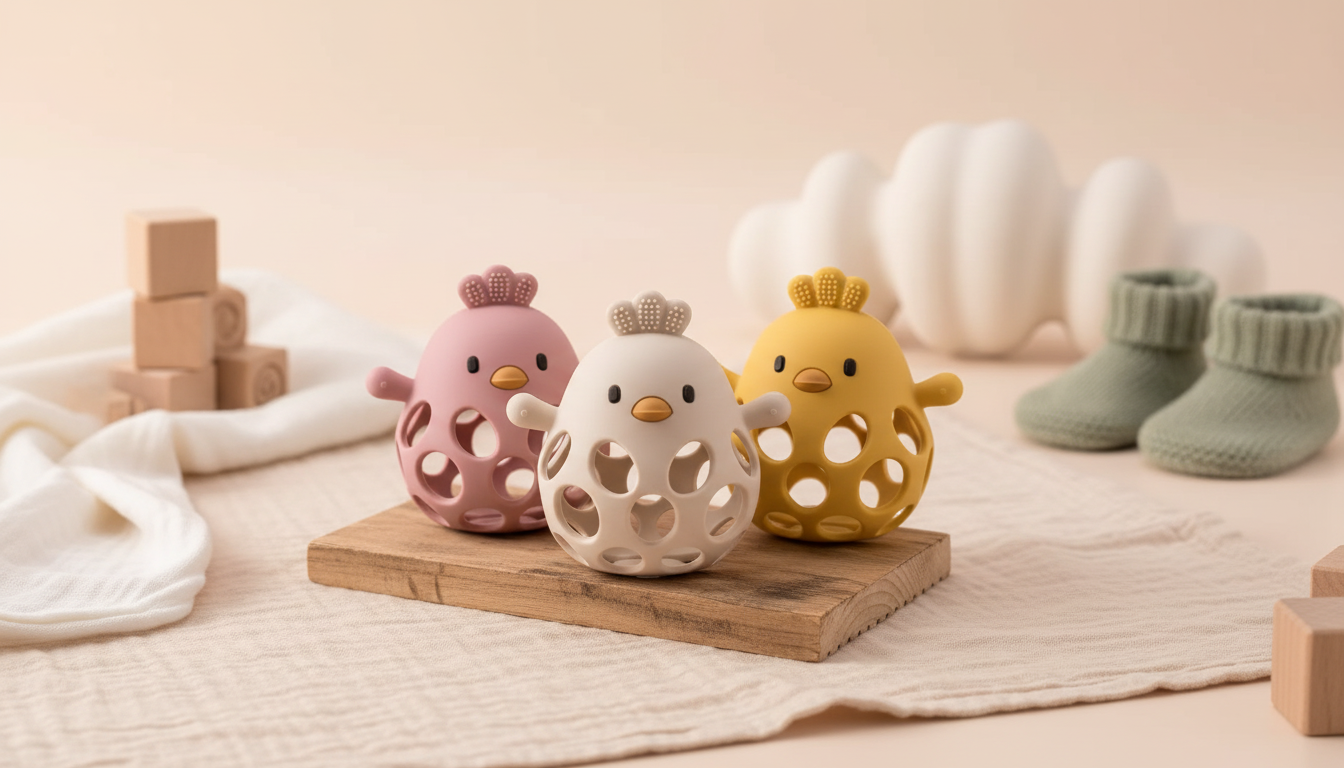
Are silicone teething toys safe for babies?
Silicone teething toys can be safe for babies when they’re made from high-quality, food-grade silicone and used correctly. Silicone is popular because it’s soft on sore gums, naturally non-porous, and typically doesn’t splinter or shed like some other materials. The safety difference usually comes down to how the toy is made, tested, and maintained.
What makes a silicone teether a safer choice?
Look for teethers labeled as food-grade or medical-grade silicone and made by brands that provide clear safety testing. A good option should be BPA-free and free from common additives such as PVC and phthalates. It should also be a single solid piece or have securely bonded parts to reduce choking risks, and it should be sized so it can’t fit fully into a baby’s mouth.
What risks should parents watch for?
Even safe materials can become unsafe if the teether is damaged or dirty. Discard any silicone teether with tears, deep bite marks, or loose components, since those can create choking hazards. Also avoid attaching teethers with long cords or strings; if you use a clip, keep the attachment short and supervise use.
How to clean silicone teething toys
Most silicone teethers can be cleaned with warm soapy water and thoroughly rinsed. Many are also dishwasher-safe (top rack) or can be boiled for a short time, but always follow the manufacturer’s instructions. Let the toy dry completely before storage to help prevent odors and buildup.
For a deeper breakdown of what to look for, red flags to avoid, and practical buying tips, visit the full guide: https://infancyplaza.shop/are-silicone-teething-toys-safe-for-babies/.
FAQ
How do you know if a silicone teether is food grade?
Check the product listing and packaging for “food-grade silicone” (or “medical-grade silicone”) and look for clear details on third-party testing and compliance with U.S. safety standards. If the brand is vague about materials or won’t share safety documentation, choose a different option.










Leave a comment