When Kids Feel Left Out: What to Say and Skills to Teach

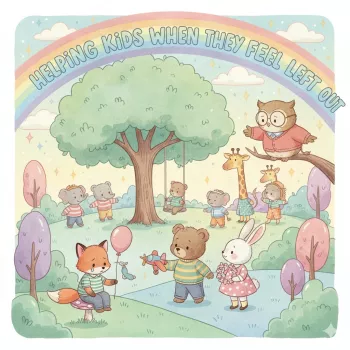
Helping Kids When They Feel Left Out: Practical Support and Social Skills Parents Can Teach
Feeling left out can sting at any age, but for kids it can feel overwhelming and confusing. With a calm plan, parents can validate the emotion, understand what happened, and coach skills that help children reconnect—without minimizing the experience or trying to “fix” everything instantly. The goal isn’t to force friendships; it’s to build confidence, flexibility, and a few reliable moves your child can use again and again.
What “left out” can look like (and why it hurts so much)
Kids can feel excluded in many everyday moments: not being picked for a game, whispered secrets, a birthday party invite that never comes, a group chat that keeps moving without them, shifting friend groups, recess dynamics, or even sibling/cousin cliques at family gatherings. These situations hurt because belonging is a core human need—and social rejection can trigger stress responses that feel surprisingly intense.
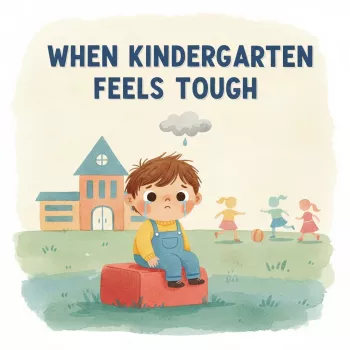
Signs often show up after school or before an activity: sudden tears, anger, “nobody likes me,” stomachaches, refusing to go, clinginess, over-apologizing, or acting “too silly” to grab attention. A helpful mindset is to treat exclusion as a solvable skill-and-support problem, not a character flaw. Your child isn’t “too sensitive”; they’re signaling that something feels unsafe socially.
First response: what to say in the moment (and what to avoid)
Start with connection. Try naming the feeling and reflecting the story back: “That sounds really lonely. You wanted to play, and they didn’t make space.” This kind of response lowers defensiveness and helps your child feel understood.
Avoid quick fixes that can backfire: “Ignore them,” “You’re fine,” “They’re not real friends,” “Just be tougher,” or immediately texting other parents while your child is still dysregulated. Those moves can unintentionally teach that big feelings are inconvenient—or that your child can’t handle social challenges.
Regulate before problem-solving. A snack, water, movement, quiet time, a warm shower, or a short breathing exercise can help your child’s body settle. Then use two grounding questions that separate facts from interpretation: “What happened first?” and “What was the hardest part?”
Decode the situation: exclusion, misunderstanding, or conflict?
Once your child is calmer, help them sort the type of problem they faced:
- Accidental exclusion: they forgot, didn’t see your child, or the plan changed.
- Limited-space exclusion: “Only two can play,” “Teams are full,” or rules restrict entry.
- Intentional exclusion: mean behavior, teasing, humiliation, or “You can’t sit here.”
- Conflict-based exclusion: there was an argument earlier, and the group is reacting.
Look for patterns: is this a one-off or repeated? Is it the same child or group, or different settings? Does it happen mostly during unstructured times like lunch/recess? Also consider the skill demands—joining a group already playing, reading cues, negotiating rules, handling “no,” and coping with disappointment are real developmental tasks.
When to step in: repeated targeting, humiliation, threats, cyberbullying, or any situation where your child feels unsafe. Keep a dated log and involve school staff. For guidance, see the American Academy of Pediatrics on bullying and the CDC’s bullying prevention resources.
Social skills that help kids re-enter play and friendships
Many kids want friends—they just don’t know how to re-enter. “Joiner” skills can be practiced like any other skill:
| Situation | Words to try | Goal |
|---|---|---|
| Group is already playing | “That looks fun—what are the rules?” | Enter with curiosity and information |
| They say it’s full | “Okay. Can I join next round or be a helper?” | Stay connected without arguing |
| They ignore them | “I’m going to play over here. If you want, you can join.” | Protect dignity and invite connection |
| A friend ditched them | “I felt hurt when you walked away. Are we okay?” | Name feelings and seek repair |
| Kid feels embarrassed | “I’m going to take a breath and try again with someone else.” | Reset and choose a next step |
Emotional support skills: coping tools that build resilience (not shutdown)
Help replace global statements. Shift “Nobody likes me” into “I felt left out at recess today” and “There are other kids I can try.” Strengthen identity outside one group with hobbies, teams, clubs, and one-to-one friendships. The American Psychological Association’s resilience guide offers additional ways to build coping strength over time.
Age-by-age guidance: what tends to work best
Preschool (3–5)
Early elementary (6–8)
Upper elementary (9–11)
Middle school (12–14)
Partnering with school (without escalating the drama)
At-home practice plan for the next two weeks
Printable support for parents who want step-by-step prompts
- Helping Kids When They Feel Left Out | Printable Digital Guide for Parents | What to Do When Child Feels Left Out | Emotional Support & Social Skills eBook
- Preschool Drop-Off Survival Checklist | Morning Routine Guide | Printable Digital Download for Parents | Smooth School Transition Tips
FAQ
What should a parent say when a child says, “Nobody likes me”?
Validate first: “That sounds really painful.” Then narrow it to the specific moment: “It sounds like recess felt awful today,” and offer one or two next steps like trying a different peer, asking to join next round, or getting help from an adult if needed.
When should parents step in versus letting kids handle it?
Let kids practice skills for one-off or mild situations. Step in when exclusion is repeated, there’s humiliation or threats, a power imbalance, physical aggression, online harassment, or your child feels unsafe.
How can a shy child make friends if they struggle to join groups?
Start smaller: one-on-one playdates and interest-based activities reduce pressure. Use simple “joiner” scripts, quick role-plays at home, and goals based on attempts (trying twice, saying one script) rather than instant friendship results.









Leave a comment