Stainless Steel Toddler Feeding Set: Suction Bowl Kit

4PCS Stainless Steel Toddler Feeding Set with Sucker Bowl, Bib & Cutlery: Everyday Mealtime Essentials
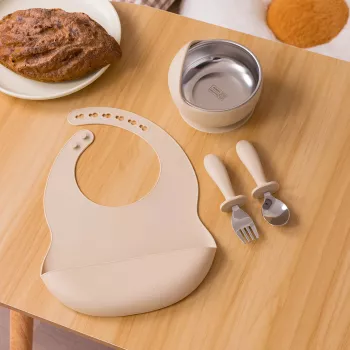
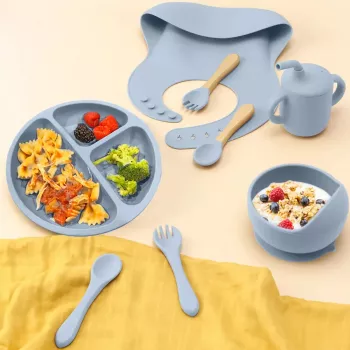
A compact feeding kit can make daily meals calmer and cleaner—especially when little hands are learning. This 4-piece set pairs a sturdy stainless steel bowl with a suction base plus a bib and toddler-friendly cutlery, designed to support self-feeding while reducing spills at the table or in a high chair.
What’s Included in the 4-Piece Set
This everyday bundle covers the core items most families reach for at breakfast, lunch, and dinner. It’s simple enough for daily use and convenient to grab when you’re heading out the door.
- Stainless steel bowl for purees, yogurt, oatmeal, pasta, and snack portions
- Suction base intended to help keep the bowl in place on smooth surfaces
- Bib to catch drips and help protect clothing during messy meals
- Toddler cutlery sized for small hands to practice scooping and poking softer foods
- Travel-friendly setup for daycare bags, grandparents’ houses, or quick outings
Why Stainless Steel Works Well for Toddlers
When meals happen multiple times a day, materials matter. Stainless steel is a popular choice for families who want a bowl that stays looking fresh, handles repeated washing, and holds up through the toddler years.
- Durable for daily use and less likely to crack compared with some plastics
- Non-porous surface helps resist odors and staining from strongly colored foods
- Quick cleanup—often rinses easily between meals and snacks
- Reduced staining worries for foods like tomato sauce, berries, and curry
- Balanced with suction—a sturdy bowl paired with a grippy base can feel more stable at the tray
For general guidance on toddler nutrition and feeding routines, the CDC’s Infant and Toddler Nutrition resource offers helpful, practical references.
Suction Bowl Basics: Getting Better Hold at the Table
Suction bowls can cut down on mid-meal slides, but performance depends heavily on the surface and setup. A few small habits can make the suction feel noticeably more reliable.
- Start with the right surface: clean, dry, smooth, non-porous trays and sealed tables usually work best
- Press to seal: push down firmly to remove air and create a stronger hold
- Release the smart way: lift the edge tab (if present) rather than pulling straight up
- Avoid suction-killers: textured wood grain, placemats, dusty trays, and crumbs can weaken grip
- Keep portions smaller: refill as needed to reduce temptation to tip, drag, or “test gravity”
Quick Troubleshooting for Suction Bowls
| Issue | Likely cause | Simple fix |
|---|---|---|
| Bowl slides easily | Surface has crumbs, moisture, or oil | Wipe tray/table dry; wash and dry the suction base |
| Bowl pops off quickly | Textured or uneven surface | Move to a smoother spot; skip placemats; try a sealed high-chair tray |
| Toddler can pry it up | Curiosity and leverage | Position bowl farther from the edge; offer a spare spoon for fidgeting |
| Weak seal after storage | Suction base warped or dusty | Rinse in warm water; let it cool flat; store with base facing down |
Bib and Cutlery: Supporting Self-Feeding Skills
Self-feeding is a skill set, not a switch you flip. The bib helps keep mess manageable, and appropriately sized utensils give toddlers a better shot at success.
- Bib support: helps reduce outfit changes and keeps mess contained during learning stages
- Toddler-friendly grip: cutlery sized for small hands encourages control and coordination
- Choose confidence-building foods: thicker textures like mashed potato, yogurt, oatmeal, or hummus can be easier to scoop
- Short practice windows: a few minutes of practice can be plenty before switching to caregiver feeding
- Predictable setup: consistent bowl placement and utensil position can reduce distractions
If you’re navigating the transition to solids or expanding textures, the American Academy of Pediatrics (AAP) guidance on starting solid foods is a trustworthy reference point.
Cleaning, Care, and Safe Use
A feeding set earns its keep when it’s easy to maintain. Keep these care habits in rotation for better longevity and safer use.
- Wash before first use; follow any care instructions included with the product
- Hand-wash or dishwasher-use depends on the specific components—check the listing details if provided
- Inspect cutlery edges and the bowl rim periodically for dents or burrs; discontinue if damaged
- Avoid abrasive scrubbers that can dull finishes over time
- Supervise all meals; suction can reduce spills but does not prevent all tipping or throwing
For additional family food-safety basics (storage, temperature, and handling), see the USDA’s food safety guidance for babies and young children.
When This Set Fits Best
Product Details and At-a-Glance Summary
Product: 4PCS Stainless Steel Toddler Feeding Set with Sucker Bowl, Bib & Cutlery
Price: $12.97 (USD)
Availability: In stock
| Feature | What it offers |
|---|---|
| Set size | 4 pieces (bowl, suction base, bib, cutlery) |
| Bowl material | Stainless steel |
| Stability aid | Suction base for smoother surfaces |
| Use case | Everyday toddler meals and skill-building |
Also worth a look
If you prefer a larger bundle or want extra pieces for rotating through the dishwasher, consider the 6PCS Baby Feeding Bowl & Utensil Set.
FAQ
Will the suction bowl stick to any surface?
No. Suction works best on clean, flat, dry, non-porous surfaces like sealed high-chair trays or smooth tables; textured finishes and placemats can reduce grip. For a better seal, wipe the surface dry and press down firmly before serving.
Is stainless steel a good choice for toddler bowls?
Yes—stainless steel is durable, resists staining and lingering odors, and cleans up quickly for everyday meals. As with any feeding item, supervise use and periodically check for dents, burrs, or damage.
How can a toddler learn to use the included cutlery faster?
Start with thicker foods that cling to the spoon, keep practice sessions short, and place the bowl and utensils in the same spots each time to build familiarity. Gentle guidance and patience usually work better than taking over when skills are still developing.








Leave a comment